Faith, Voting, and Justice
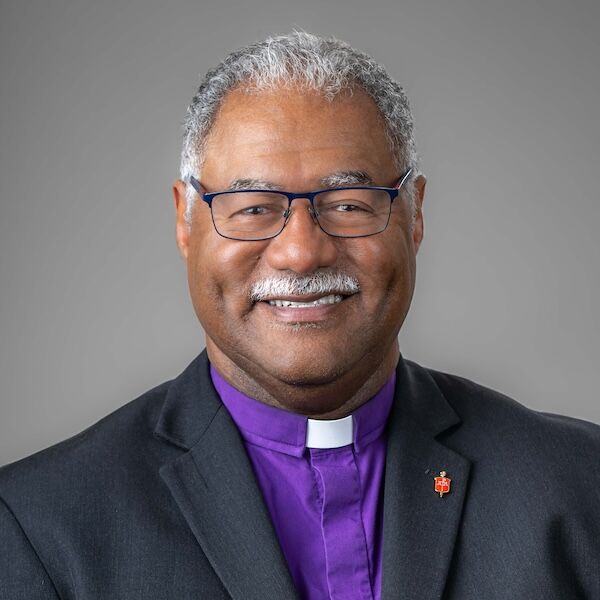
In a thought-provoking episode of the "To Be Encouraged" podcast, the conversation focused on the intersection of faith, politics, and social responsibility just a week ahead of the United States midterm elections. The episode examined how Christians and people of faith can approach the voting process with intentionality and a sense of spiritual calling, rather than detaching their faith from politics.
A key theme that emerged was the inextricable link between personal faith and engagement in communal life, especially through the act of voting. Participants reflected on the idea that democracy thrives when citizens are actively involved, and this participation is framed not only as a civic right but as a responsibility rooted in the biblical command to "love God and love neighbor" 02:48. Through this lens, voting is seen as more than a political act; it is an expression of care for community and justice.
Three Key Takeaways
1. Voting Is Both a Right and a Spiritual Responsibility
One concept discussed was the idea that abstaining from voting is, in itself, a form of participation, as not voting can allow others to decide the community’s direction 26:39. The discussion explored the reality that many eligible voters choose not to participate, which can undermine the health of a democracy and reduce accountability for elected officials 05:01. The encouragement was clear: approach voting as a duty to both God and neighbor, seeking a "preferred future" that serves justice, kindness, and mercy 05:55.
2. Faith and Politics Cannot Be Completely Separated
Several points were raised, including the misconception that religion and politics should never mix. The conversation challenged the notion of a divided life, where faith is kept separate from public and political engagement. Instead, there was a call to integrate beliefs and actions, using scriptural mandates for justice and compassion as guiding principles in political decision-making 02:22. Quoting biblical passages and historical leaders, the dialogue stressed the danger of reducing complex issues to partisan binaries, reminding listeners that faith calls for care for the vulnerable and pursuit of the common good.
3. Rejecting Fear and Embracing Discernment at the Polls
The discussion explored the pervasive use of fear in political campaigns, noting that fear often replaces genuine policy debate with divisive tactics and misinformation 15:05. Listeners were advised to pray, seek accurate information, and make choices based on values rooted in love, justice, and integrity—rather than reacting to fear-driven rhetoric 11:04. Discernment, the episode argued, is crucial in filtering campaign noise and focusing on candidates and policies that demonstrate true servant leadership and compassion.
Reflecting on Faith-Filled Civic Engagement
In closing, the episode delivered an encouraging word: pray and vote. The call was for citizens, particularly people of faith, to be deliberate and prayerful in exercising their voting rights, advocating for compassion, justice, and community wellbeing 34:46. By intertwining faith with action, and approaching voting as a form of service, each individual contributes to building a more just and loving society.
Listeners were reminded that real change begins with both prayer and participation—making voices heard at the ballot box while striving for a better future rooted in the values of their faith.
The Golden Rule in a Divided World:


 RSS Feed